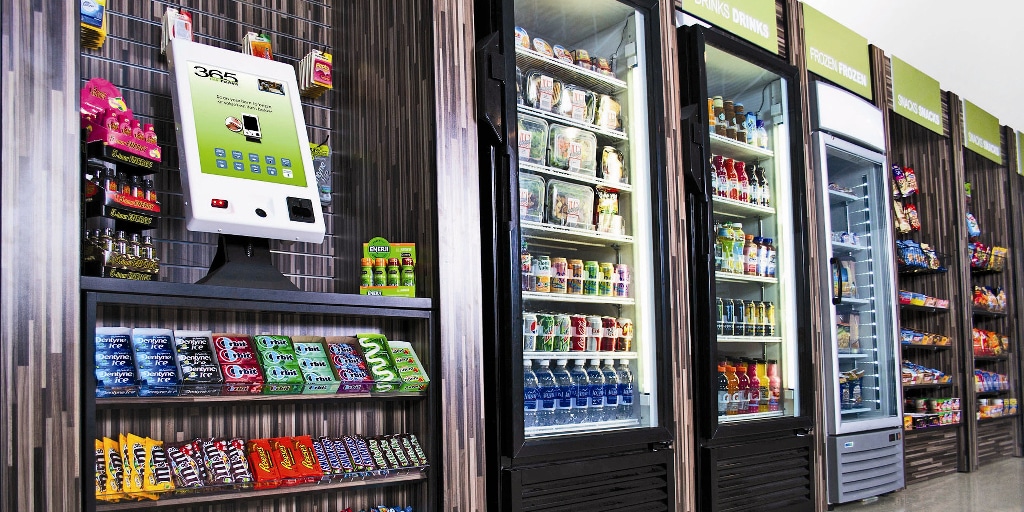
A micro-market feels simple to employees when checkout is easy.
They walk into the breakroom, pick up a drink, choose a snack or meal, scan the items, pay, and get back to their day. When that process works well, the market becomes part of the workplace routine. When checkout feels confusing or unreliable, employees lose patience quickly.
For employers considering a micro-market, payment and checkout deserve attention early. The equipment, layout, product labeling, and support process all affect whether the market feels convenient after installation.
GoldStar Vending helps Houston businesses think through micro-market setup in practical terms, including how employees will use the market during real breaks.
Why Checkout Matters So Much
Micro-markets are built around self-service. That is what makes them flexible. Employees can browse open shelves and coolers, choose what they want, and check out without waiting for someone else to manage the sale.
That convenience depends on trust. Employees need to understand how to pay. Employers need confidence that the market is being used properly. The provider needs enough transaction visibility to keep products stocked and respond to demand.
Good checkout supports all three.
Cashless Payment Is Usually Expected
Most employees expect card or mobile payment options. That is true for vending, and it is even more important in a micro-market where people may be buying multiple items at once.
Cashless checkout can make the experience faster and easier. It also reduces the friction of exact change, cash handling, and employees walking away because they do not have the right payment method.
For Houston workplaces with younger teams, multiple shifts, or busy break periods, cashless payment is not a luxury feature. It is often part of making the market usable.
The Market Layout Should Support the Checkout
Payment technology matters, but layout matters too.
Employees should be able to move from shelves or coolers to checkout without confusion. The kiosk or payment station should be easy to see. Product labels should be clear. The area should not feel cramped when two or three people are trying to use the market at the same time.
A micro-market placed in an awkward corner may technically work, but it may not feel natural. A good setup makes the intended flow obvious without needing a sign on every surface.
That is one reason a site review is useful before installation. Space, power, traffic flow, and visibility all affect the final recommendation.
What Employers Should Ask
Before approving a micro-market, ask how checkout will work for everyday employees.
Will employees scan items themselves? What payment types are accepted? Can the system handle multiple items quickly? What happens if a barcode does not scan? How are refunds or product issues handled? How does the provider monitor what is selling?
These are not small details. They are the details that decide whether employees use the market confidently.
If the answers are clear, the employer can introduce the market without creating confusion for managers or staff.
Vending May Be Better for Some Spaces
Micro-markets are useful, but they are not the right fit for every workplace.
If the space is small, traffic is limited, or the area has too much public access, traditional vending machines may be the better option. Vending keeps products controlled inside the machine and can still offer cashless payment, cold drinks, snacks, and dependable convenience.
The choice should come down to fit. A micro-market offers more variety and a more open experience. Vending offers a compact, controlled solution. Many businesses eventually use both in different parts of the same facility.
Checkout Data Helps Improve the Market
A good checkout system does more than collect payment. It helps show what employees actually buy.
That information can guide restocking, product changes, and seasonal adjustments. If bottled water moves faster during Houston summer, the market can respond. If certain fresh food items sell well, the provider can plan around that. If some products sit too long, they can be replaced with better choices.
This is one of the advantages of a managed market. The product mix can evolve based on use instead of staying frozen in the original setup.
Pairing a Market With Coffee
Many workplaces that consider a micro-market also have a coffee problem. Employees may be leaving for coffee in the morning, then leaving again later for snacks or lunch.
A market can solve part of that, but office coffee may still need its own plan. Coffee supplies, cups, creamers, tea, hot chocolate, and ready-to-drink coffee options can all shape how useful the breakroom feels.
When the checkout area, market products, and coffee station work together, the breakroom feels more complete.
FAQ
How do employees pay at a micro-market?
Most micro-markets use a self-checkout kiosk or payment system where employees scan items and pay with card or another cashless method. The exact setup depends on the provider and workplace.
Are micro-markets secure?
They can be a good fit in controlled employee areas. Security depends on the location, access, visibility, checkout process, and provider setup. Workplaces with heavy public traffic may be better suited for vending.
Can a micro-market accept cash?
Some systems may support different payment options, but cashless payment is usually the most convenient and expected approach for modern workplace markets.
Does checkout data affect restocking?
Yes. Checkout activity helps show what products are moving, which supports better restocking and product selection over time.
Make Checkout Easy
A micro-market succeeds when employees can use it without thinking too hard. Clear checkout, practical layout, reliable payment, and good service make the market feel like a natural part of the workday.
Contact GoldStar Vending to review micro-market options for your Houston workplace.