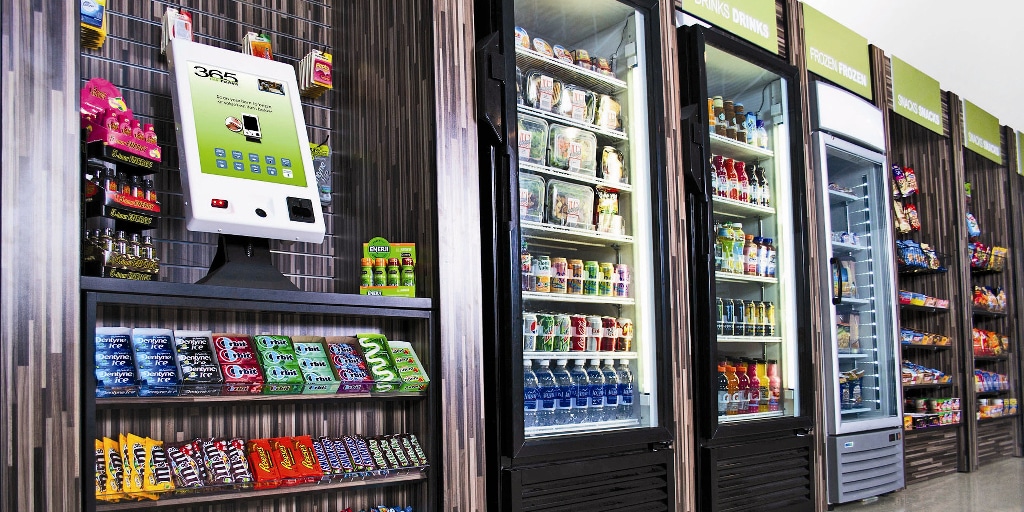
Hybrid work makes breakroom planning less predictable. A company may have 150 employees assigned to an office but only 45 in the building on Monday and 110 on Wednesday. Meetings, training days, and visiting teams can change demand again.
A micro-market can still work in that environment. It just should not be sized from the employee directory. The better plan uses actual attendance, peak-day behavior, and a product mix that can expand or contract as the office settles into its rhythm.
Use Daily Attendance, Not Total Headcount
Start with several weeks of building data if it is available. Badge counts, desk reservations, parking use, and facilities observations can show how many people are normally present by day. The goal is not to track individuals. It is to understand the difference between a quiet day and a peak day.
Look at meeting patterns as well. A Tuesday may be busy because departments hold team sessions. Quarterly training can create occasional spikes that should be handled without permanently overstocking the market.
Assigned headcount still provides context, but a micro-market should be built for the workplace people actually use.
Plan for Peak Days Without Making Quiet Days Look Empty
The market needs enough cooler and shelf capacity to serve busy days. It also needs to remain inviting when fewer people are present.
That balance often comes from flexible merchandising rather than maximum size. A focused selection displayed well can look complete across the week. Extra quantities of high-demand products can be added before peak days without filling every category equally.
If a full market would be difficult to support, a smart cooler or modern vending setup may provide fresh choices with a smaller footprint. The format should match the low days as well as the high ones.
Fresh Food Needs the Closest Attention
Fresh sandwiches, salads, yogurt, fruit, breakfast, and prepared meals can make a market valuable to hybrid employees. Those products also require the most careful forecasting.
The provider should begin with conservative quantities, watch what sells by weekday, and adjust. A product that performs well on Tuesday may consistently expire after a quiet Friday. The answer is not necessarily to remove fresh food; it may be to change delivery timing, package sizes, or the Friday assortment.
Employees can help by sharing preferences, but purchases give the clearest signal. Connected checkout data allows the service plan to follow behavior rather than assumptions.
Location Matters More When People Are Not in Every Day
Hybrid employees do not build the same daily habits as full-time on-site teams. The market should be easy to discover from common arrival routes, collaboration areas, or the main breakroom.
A hidden market may be forgotten by employees who visit only twice a week. Clear launch communication and occasional reminders can help, but the space itself should do most of the work. It needs to look intentional, visible, and simple to use.
If the office spans several floors, central placement may be more effective than spreading a small amount of inventory too widely. Secondary drink vending can support teams that are farther away.
Give Employees a Reason to Use the Office Option
Hybrid employees may already plan to buy lunch near home or on the commute. The market becomes useful when it solves an office-day problem: a meeting runs long, weather makes a walk unpleasant, or someone needs food between appointments.
Variety matters, but so does dependability. Stock the familiar products people reach for, include useful meal and protein options, and keep cold drinks available. The market should be a reliable alternative, not a novelty that feels picked over after the first month.
Office coffee can strengthen the same breakroom by giving employees another reason to gather and stay on site.
Review the Market as Attendance Changes
Hybrid policies are not static. A company may add required office days, hire a new team, reduce space, or bring more clients into the building. The market should be reviewed when those changes happen.
The provider can adjust shelf space, products, delivery days, and even equipment when demand meaningfully changes. Starting with a flexible layout makes that easier.
Hybrid Market Questions
Can a micro-market work with only two busy office days?
It can, depending on peak attendance, nearby food, and total weekly demand. A smaller market or smart cooler may be a better starting point for highly concentrated schedules.
How do you avoid wasting fresh food?
Begin with measured quantities, track purchases by weekday, and adjust delivery timing and assortment. Fresh-food planning should follow actual sales.
Should the market be stocked for assigned headcount?
No. Assigned headcount can overstate daily demand in a hybrid office. Use typical and peak attendance instead.
Size for the Week Employees Really Have
A hybrid micro-market does not need to guess at the future. It needs a careful starting point and a service plan that learns from each week.
Contact GoldStar Vending to review attendance, space, and micro-market options for your Houston office.