A multi-tenant office building has a different refreshment challenge from a single-company workplace. Employees may arrive on different schedules, visitors come and go, and no one tenant represents the full population of the property. Nearby food may look convenient on a map but still require an elevator ride, a walk through Houston heat, or a drive during a short break.
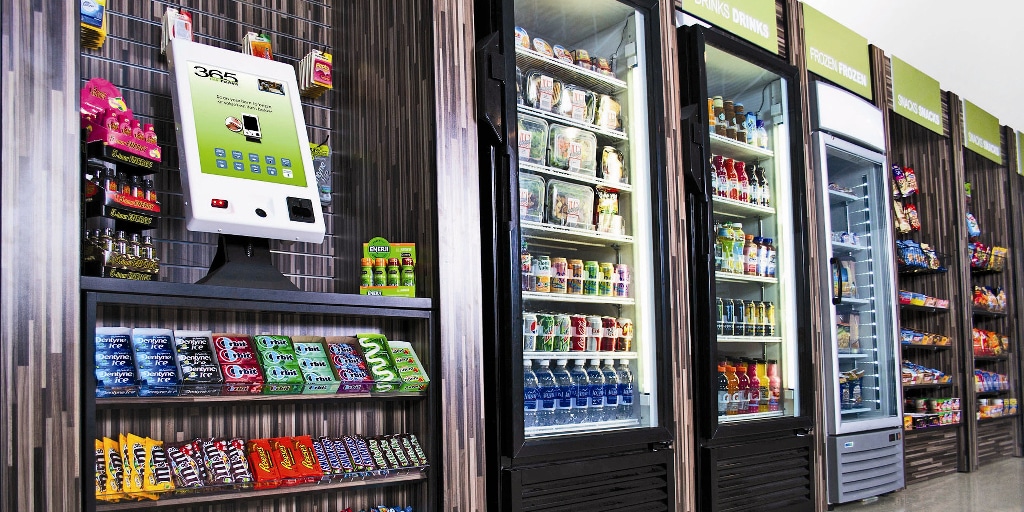
A shared micro-market can give the building an on-site option without operating a staffed cafe. Employees browse open coolers and shelves, scan their items, and pay at self-checkout. The idea is simple. Making it work requires the property manager and vending provider to plan around the building rather than treating it like one large office.
Is There Enough Consistent Daily Use?
Total occupancy is only the beginning. A building may have hundreds of assigned employees but much lower attendance on Mondays and Fridays. Another property may have smaller tenants with dependable daily schedules and frequent visitors.
The useful questions are about behavior. How many people are normally in the building by time of day? Do tenants have their own kitchens? How far away are practical lunch options? Are there after-hours teams, security staff, or weekend operations?
A provider can use those answers to decide whether the property is a fit for a full micro-market, a smaller market, or modern vending service. Starting with realistic traffic protects the building from an oversized setup and helps keep fresh products moving.
The Best Location Feels Shared
A market tucked inside one tenant’s suite will naturally feel like that tenant’s amenity. In a multi-tenant property, a common area usually makes more sense: a shared lounge, an amenity floor, or another accessible space near the regular path between offices and parking.
The location should be visible without blocking lobby traffic. Employees need enough room to open cooler doors, browse shelves, use checkout, and step aside. The service team also needs a practical route for cases and fresh food.
Access rules matter. If the market is behind building security, visitors may not be able to use it. If it is before security, the property should consider who can enter after hours. Those are property-management choices, not reasons to rule out a market, but they should be clear before installation.
One Product Mix Has to Serve Many Workplaces
Different tenants can have very different preferences. A financial office, engineering firm, medical tenant, and customer-service team may all share the same building. The market should offer enough range to be useful without filling the shelves with slow-moving products.
Familiar drinks and snacks create a dependable base. Fresh sandwiches, salads, yogurt, breakfast items, fruit, and protein-focused choices can make the market more useful at meal times when demand supports them. In Houston, cold water, tea, sports drinks, and zero-sugar beverages are often important parts of the mix.
The first assortment does not have to be permanent. Sales information should guide adjustments. When tenants can request products through a simple property contact, the provider gets useful feedback without asking building management to run the store.
Payment Should Be Easy for Anyone in the Building
Self-checkout is one of the reasons a micro-market can operate across long building hours. Employees should be able to scan products and pay with familiar options without needing a receptionist or property employee to help.
Clear prices, product labels, and checkout instructions reduce confusion. The equipment should be positioned so a short line does not block the coolers. A connected system also helps the provider understand what is selling and plan service before shelves look neglected.
Decide Who Owns Communication
The provider should handle stocking, equipment, product rotation, and service. The property manager still benefits from naming one contact for access changes, building notices, and tenant feedback.
Before launch, tenants should know where the market is, when it is available, and whom to contact about service. After launch, short reminders can help new tenants and employees discover it. The market works best when it is treated as a normal building amenity, not a one-time installation.
Market, Vending, or Both?
Some properties have one central amenity area and distant floors or buildings. A market in the main location can be paired with drink or snack machines elsewhere. Smaller buildings may be better served by cashless vending alone.
The decision should reflect traffic, layout, security, and product demand. More equipment is not automatically a better amenity. The goal is reliable access in the places people can actually use.
Questions Property Managers Ask
Does the landlord have to operate the micro-market?
No. With a full-service program, the vending provider manages products, stocking, and equipment. The property typically supports access and communication.
Can visitors use a building micro-market?
That depends on where it is placed and the building’s access policy. A market in a public lobby has different considerations from one on a secured amenity floor.
Will fresh food work with hybrid attendance?
It can, but the assortment and service frequency should match actual demand. Sales patterns help the provider adjust quantities and reduce waste.
Plan the Amenity Around the Property
A shared market can make a Houston office building more convenient for tenants without creating another daily job for property staff. The strongest programs begin with an honest look at occupancy, access, layout, and nearby food options.
Contact GoldStar Vending to review micro-market and vending options for your multi-tenant property.