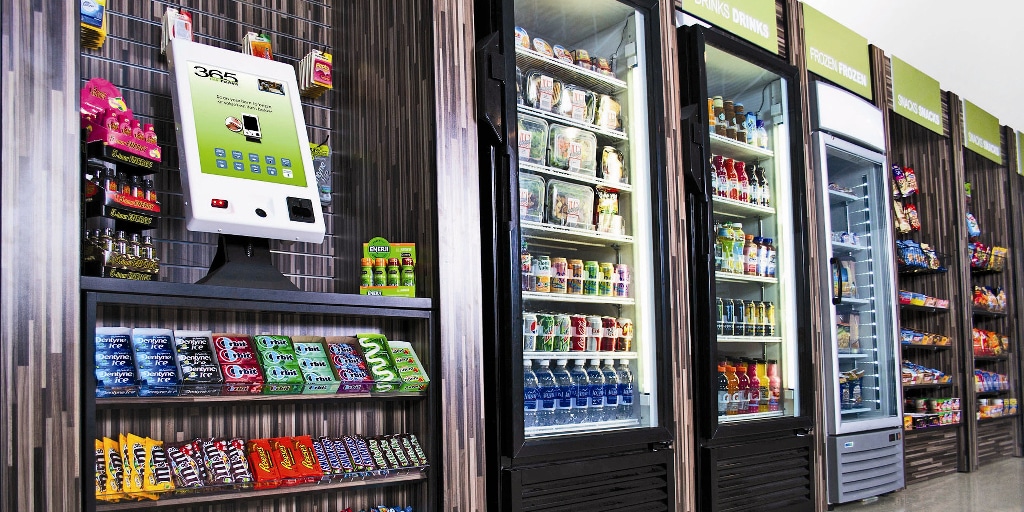
A micro market can feel simple once it is open: employees choose food and drinks, scan items, pay, and get back to the day. The setup behind it takes more planning. Coolers, shelves, payment equipment, power, layout, product selection, and service access all have to work together.
For Houston employers, the timeline depends on the room and the amount of change needed. A clean breakroom with good power and clear access may move quickly. A crowded facility, secure building, or multi-shift operation may need more coordination before launch.
Start With The Room
The first step is confirming whether micro market service fits the physical space. The provider needs to look at traffic flow, cooler placement, shelving, checkout visibility, electrical outlets, and how people enter and leave the area. A market should feel convenient, not like an obstacle course.
Houston buildings vary widely. An office tower, manufacturing plant, school, clinic, and industrial warehouse may all need different access plans. Loading areas, elevators, badge rules, and delivery windows can shape the schedule.
Design The First Product Mix
Product planning usually happens alongside layout. The opening mix should reflect the workforce: breakfast for early crews, cold drinks for hot days, filling lunches for teams that stay on site, and snacks that cover both classic and better-for-you preferences.
A market does not need to be perfect on day one. It needs a thoughtful starting point and a provider willing to adjust after real purchases show what employees want.
Install, Test, And Introduce
Installation includes coolers, shelving, checkout hardware, product stocking, signage, and payment testing. Before launch, the checkout process should be checked carefully. Employees should not be the first people to discover a scanner, kiosk, or product code problem.
If the business has used only vending machine service before, a short introduction helps. People need to know how to scan, pay, and report issues. Simple instructions reduce confusion during the first week.
The Timeline Continues After Opening
The first few service cycles are part of the rollout. Slow sellers should be replaced, popular items should get more space, and feedback should be taken seriously. A market becomes stronger when the provider keeps tuning it.
GoldStar can answer planning questions through the GoldStar FAQ and help Houston employers request service when they want to map a realistic launch.
What GoldStar Checks On Site
A useful recommendation comes from looking at the actual room, not from guessing over the phone. GoldStar checks the break area, nearby outlets, doorway access, employee traffic, visitor use, shift timing, and any building rules that could affect service. That visit also gives managers a chance to talk through the real issue behind the request, whether it is a realistic rollout timeline for a market inside the workplace or a broader need to keep people from leaving the property for simple food and drink purchases during normal workdays and busy shifts.
That local review matters in Houston because buildings operate differently across the city. A medical office near the loop, a warehouse on the east side, a dealership on a busy frontage road, and a professional office in a tower all have different access, parking, security, and break patterns. The right plan should respect those details before equipment is promised.
It also gives the provider a chance to notice small details that change daily use: whether employees can see the equipment from the main break area, whether delivery drivers can reach it after hours, and whether the room needs a quiet, compact setup or a fuller refreshment area.
How The Program Stays Useful
The launch is only the beginning. GoldStar should keep watching what employees buy, what sits too long, where service issues appear, and whether the setup still matches the workplace after hiring, seasonal changes, or schedule changes. Products that looked good during planning may need to be replaced. Popular items may need more room. Payment and service problems should be treated as part of the program, not as side issues for the office manager to chase.
That follow-through is what separates a working breakroom service from a one-time installation. The better the provider listens after launch, the more the program starts to feel like it belongs in that specific Houston workplace.
A Practical Next Step
The best breakroom decision starts with the building in front of you. GoldStar can compare micro market service, vending machine service, and related refreshment options, then use the GoldStar FAQ or a direct request service conversation to narrow the plan.