Hotels and hospitality workplaces have a different kind of breakroom problem than a standard office.
The building is active early, late, and often around the clock. Staff may be moving between front desk, housekeeping, maintenance, kitchen, laundry, event space, and guest service areas. Breaks can be short and unpredictable. Nearby food options may not line up with the shift schedule. And when employees do have a few minutes, leaving the property is not always practical.
That is why a micro-market can make sense for Houston hotels and hospitality teams. It gives employees a convenient on-site place to grab food, drinks, snacks, and quick meals without turning every break into a trip off property.
GoldStar Vending helps Houston businesses build refreshment programs that fit the way people actually work. In hospitality, that usually means thinking beyond a single vending machine and asking what staff members need during a long, busy day.
Hospitality Teams Need Access at Odd Hours
Hotels do not run on a simple nine-to-five schedule. Front desk teams may cover overnight shifts. Housekeeping starts early. Maintenance responds when the building needs them. Banquet and event staff may work around group schedules. Managers may be pulled in different directions throughout the day.
That schedule creates a practical food access issue. A restaurant nearby may be closed before an overnight shift. A coffee shop may not be convenient for housekeeping staff. A short break may not leave enough time to leave the property, wait in line, and get back.
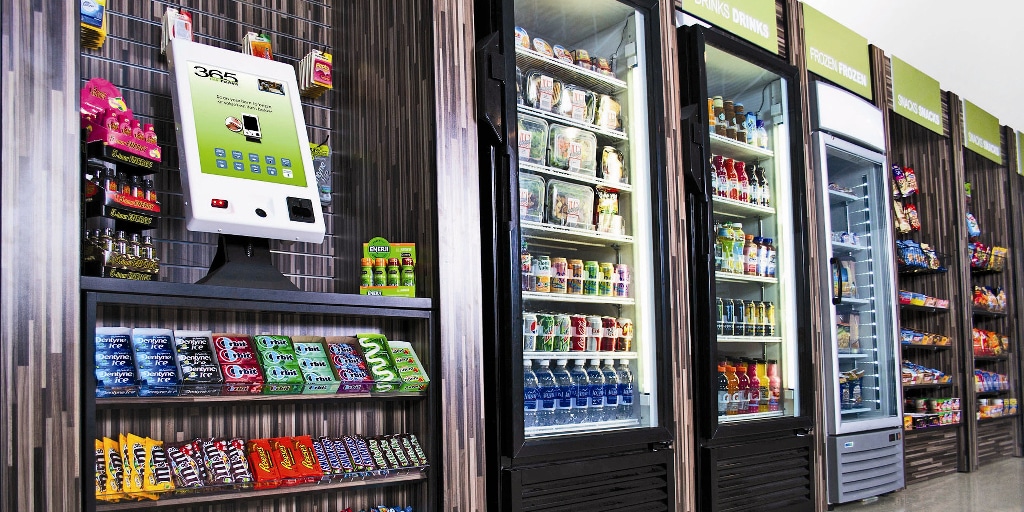
A micro-market helps by putting more options inside the workplace. Staff can choose something quickly, pay at a self-checkout kiosk, and get back to the day without losing the whole break to travel time.
Why Vending Alone May Not Be Enough
Vending machines can still be useful in hospitality settings. A drink machine near an employee area, a snack machine close to maintenance, or vending in a staff hallway may solve a simple access problem.
But hotels often need more variety than traditional vending can provide. Employees may want something closer to a meal, especially when shifts are long or breaks are not close to normal lunch hours. A micro-market can support fresh food, cold drinks, breakfast items, protein snacks, and familiar favorites in a more open format.
The difference is not just the product list. It is the experience. Employees can browse shelves and coolers instead of choosing only from machine slots. That matters when the goal is to make the staff area feel more useful, not just technically stocked.
A Better Fit for Employee Areas
Many hotels already have an employee breakroom, back-of-house area, or staff space that could work harder than it does today. Sometimes the room has a table, a refrigerator, a coffee pot, and not much else. Employees use it because it is there, but it may not actually meet the needs of the team.
A micro-market can turn that space into a more dependable refreshment area. The setup can be scaled to the building. Some locations may need a compact market with coolers and shelves. Others may need a broader selection for a larger staff or multiple departments.
The best setup depends on how the property operates. A business hotel near the Energy Corridor may have different staff patterns than a resort-style property, airport hotel, or event-heavy venue. A downtown property may have food nearby but less time for staff to leave. A suburban hotel may have more space but fewer nearby options late at night.
That local context matters. The market should fit the property, not a generic hospitality template.
Supporting Staff Without Adding Another Job
One reason hospitality managers hesitate to improve the breakroom is simple: no one wants another thing to manage.
A micro-market should not turn the hotel team into a retail staff. The point is to create a supported refreshment program with restocking, product rotation, and service handled by the provider. Employees get better access, and managers are not constantly chasing snacks, drinks, or supplies.
That is especially important in hospitality because managers already deal with staffing, guest issues, maintenance requests, scheduling, inventory, and daily operations. A breakroom program should make life easier, not add another loose end.
GoldStar can help review pricing and service options based on the size of the team, available space, and type of program the property needs.
Product Mix Should Match the Shift
The right product mix for a hotel is not always the same as the right mix for an office.
Early teams may need breakfast options, coffee, and drinks that are easy to grab before the rush starts. Midday staff may want sandwiches, salads, snacks, or something more filling. Overnight staff may need dependable access to drinks and quick food when other options are closed.
This is where a micro-market has an advantage. The selection can be adjusted as buying patterns become clear. If fresh food moves quickly, the market can support more of it. If certain drinks are popular with overnight staff, the product mix can reflect that. If employees want healthier choices, the market has more room for those products than a small machine might.
The best hospitality breakroom is not just stocked. It learns from what the team actually uses.
Coffee Still Matters
Even with a micro-market, coffee deserves its own attention.
Hospitality employees often start early, work long shifts, and move constantly. A reliable office coffee or staff coffee setup can reduce off-site coffee runs and make the employee area more useful throughout the day.
Some properties may need simple coffee service for staff. Others may want coffee, tea, hot chocolate, creamers, cups, lids, and supplies organized as part of a broader refreshment setup. The right choice depends on how many people use the area and how much support the staff needs.
Coffee, vending, and micro-markets do not have to compete with each other. In many hospitality settings, they work best together.
What About Guest-Facing Areas?
This article is mainly about employee refreshment, but hotels may also think about guest convenience.
Some properties use vending or market-style options near lobbies, meeting areas, or common spaces. Others keep refreshment programs separate so employee areas and guest areas serve different needs. The right answer depends on the property layout, brand standards, guest expectations, and how the hotel wants to manage traffic.
GoldStar can help think through both sides of the building: what employees need to do their jobs comfortably and what guests may need when other food options are not available.
When a Micro-Market Makes the Most Sense
A hospitality micro-market is worth considering when staff regularly leave the property for food, when breaks are too short for off-site trips, or when the existing breakroom does not support multiple shifts. It can also make sense when a property wants to improve employee experience without building a cafeteria or assigning someone to manage snacks internally.
It may not be the right fit for every property. A smaller location with limited space may start with vending and coffee first. A larger hotel with a steady staff population may be a better candidate for a full market. A property with several disconnected work areas may need a combination of solutions.
The decision should be based on actual use: employee count, shift schedule, available space, nearby food access, and whether staff need snacks, meals, drinks, coffee, or all of the above.
Frequently Asked Questions
Are micro-markets a good fit for hotels?
They can be, especially when the property has enough staff traffic and a breakroom or back-of-house area that can support shelves, coolers, and self-checkout. They are useful for teams with early, late, or overnight shifts.
Can a hotel use vending instead of a micro-market?
Yes. Vending may be the better choice for smaller spaces or simpler snack and drink needs. Larger hospitality teams may benefit from a micro-market because it can offer more variety and fresh food.
Can micro-markets include healthier options?
Yes. Micro-markets can include fresh food, fruit, protein snacks, salads, wraps, water, sparkling drinks, and other better-for-you options alongside familiar favorites.
Who maintains the micro-market?
In a managed program, the service provider handles restocking, product rotation, and market support. The exact service arrangement should be reviewed before setup.
Can GoldStar help with hotels outside central Houston?
Yes. GoldStar serves businesses across the greater Houston service area and can review the location, staff size, and available space before recommending a setup.
Make Staff Breaks Easier to Use
Hospitality work is busy, physical, and schedule-driven. Staff members need breaks that are convenient, quick, and useful. If the only good options are off property, the breakroom is not doing enough.
A micro-market can give hotel and hospitality teams better access to food, drinks, snacks, and coffee support inside the building. For the right property, that can make the employee area more practical and the workday a little easier to manage.
Contact GoldStar Vending to review micro-market, vending, and coffee options for your Houston hospitality workplace.