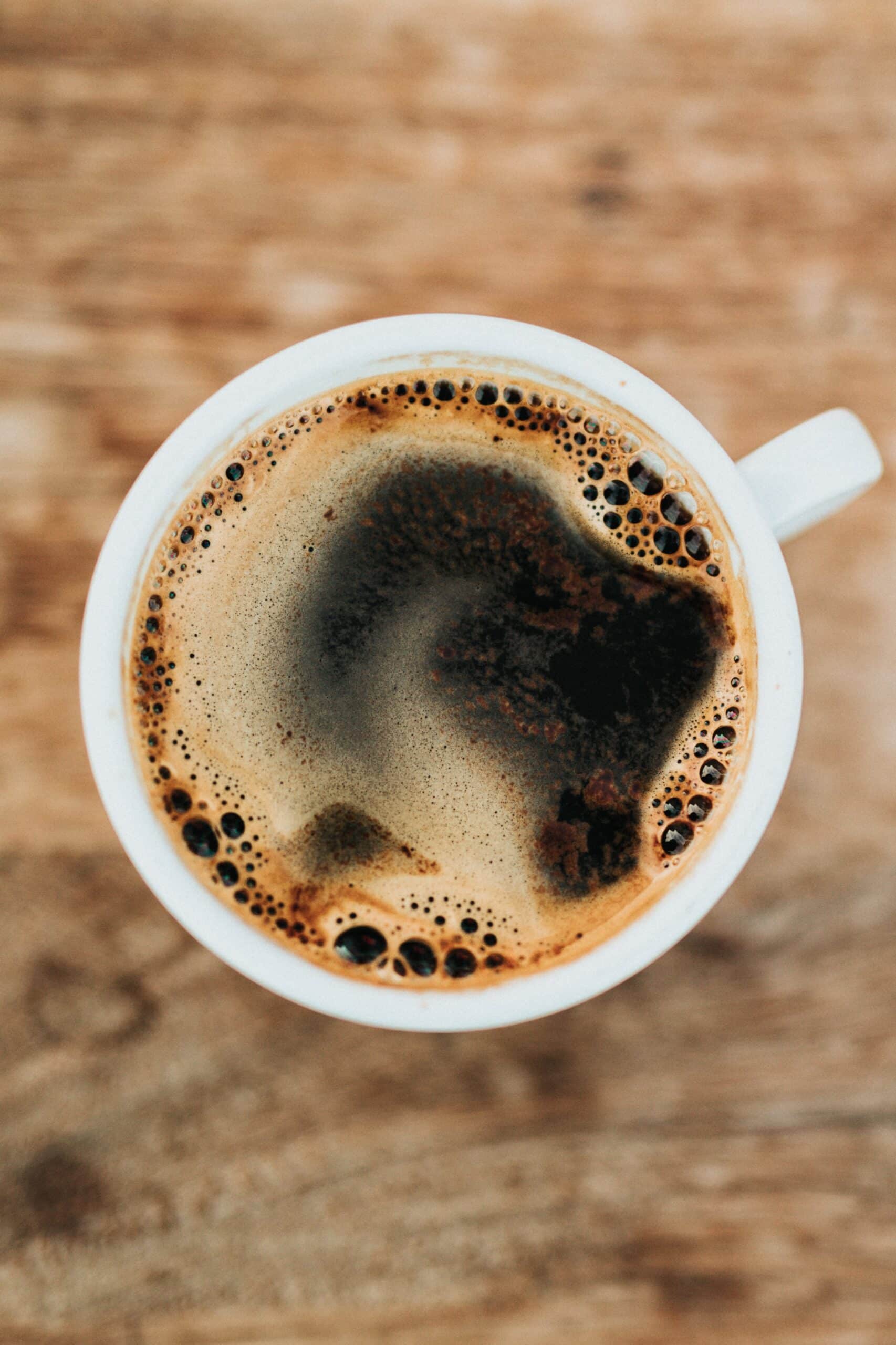
Coffee gets most of the attention in an office breakroom, but it is not the only drink people want during the workday.
Some employees start the morning with tea. Some want hot chocolate in the afternoon. Some avoid caffeine but still want something warm. Others drink coffee in the morning and switch to something lighter later in the day.
When the breakroom only serves coffee drinkers, it leaves part of the team out. That does not mean every office needs a complicated beverage program. It means a few thoughtful non-coffee options can make the refreshment area more useful for more people.
GoldStar Vending helps Houston businesses build office coffee and breakroom programs that fit real workplace habits. For many businesses, the strongest setup includes coffee, tea, hot chocolate, decaf choices, and reliable hot water.
Why Non-Coffee Options Are Worth Thinking About
A breakroom is used by different people for different reasons.
The person arriving early may want coffee. Someone coming out of a long meeting may want tea. A staff member working an afternoon shift may want hot chocolate because it feels like a small reset. A visitor may appreciate having an option that is not another cup of coffee.
These details may seem small, but they shape how people feel about the workplace. A breakroom that offers only one type of beverage feels limited. A breakroom with a few good choices feels more intentional.
The goal is not to build a cafe. The goal is to make the everyday break easier.
Tea Is the Easiest Upgrade
Tea is often the simplest non-coffee option to add because it does not require much extra equipment. If the office already has hot water access, a small tea selection can serve employees who want something lighter than coffee.
Different workplaces use tea differently. In a professional office, it may be something employees drink during the afternoon. In a medical or dental office, it may also be useful for visitors or staff who prefer a calmer option. In a school or administrative building, tea can round out the staff lounge without adding much complexity.
The best tea program does not need to be huge. A practical mix of black tea, green tea, herbal tea, and decaf options is usually enough to start. Usage can guide the rest.
Hot Chocolate Has a Place Too
Hot chocolate is easy to dismiss as a seasonal extra, but it can be surprisingly useful in a workplace.
It gives employees a warm option without coffee. It works well for afternoon breaks. It can be a good fit in schools, healthcare offices, dealerships, customer waiting areas, and workplaces with early shifts. During cooler weather, it can also make the breakroom feel more welcoming.
The value is not that everyone drinks it every day. The value is that it gives people another choice when coffee is not what they want.
Hot Water Is the Quiet Workhorse
A lot of non-coffee options depend on one basic thing: reliable hot water.
Hot water supports tea, cocoa, instant beverages, oatmeal, and simple breakroom needs that often get overlooked. If it is hard to access, not hot enough, or separated from cups and supplies, people are less likely to use it.
This is where setup matters. A beverage area should be easy to understand. Cups should be nearby. Stir sticks, sweeteners, creamers, lids, and napkins should be stocked. Tea and cocoa should be organized so employees are not digging through a cabinet.
Good breakroom service is often less about adding more and more products. It is about making the products easy to use.
Decaf and Caffeine-Sensitive Employees
Not everyone wants caffeine all day. Some employees have one cup of coffee in the morning and then switch. Some avoid caffeine for health reasons. Some simply prefer a warm drink that does not keep them wired into the evening.
Decaf coffee, herbal tea, and hot chocolate help cover that part of the team. They also make the beverage program more useful throughout the full day, not just during the morning rush.
This matters in Houston workplaces with longer hours, multiple shifts, or employees who are on their feet all day. A beverage program should support different routines, not just the first hour of the morning.
How This Fits With Coffee, Vending, and Micro-Markets
Non-coffee drinks work best when they are part of a larger refreshment plan.
An office may use coffee and tea for the morning, vending machines for cold drinks and snacks, and a micro-market for fresh food and more variety. A smaller workplace may only need coffee, tea, cocoa, and a well-stocked snack machine.
The right mix depends on how employees use the space. If people leave for coffee, fix coffee. If they leave for lunch, look at food. If they avoid the breakroom because the choices are too narrow, add variety in a way that fits the workplace.
Non-coffee options are not a replacement for a strong coffee program. They make the program feel more complete.
A Practical Way to Start
Start small and watch what happens.
If the office already has coffee service, add a focused tea selection, hot chocolate, decaf, and the supplies needed to make those options easy to use. Then pay attention to what moves. If tea disappears quickly, expand the tea choices. If hot chocolate is seasonal, stock it more heavily when demand rises. If nobody uses a product, replace it with something more relevant.
That kind of adjustment is where managed service helps. A breakroom program should not be frozen in place. It should respond to what employees actually choose.
GoldStar can help Houston businesses compare pricing and service options and decide what belongs in the beverage area based on workplace size, schedule, and employee habits.
Frequently Asked Questions
Should office coffee service include tea?
Yes. Tea is a simple way to make the beverage program useful for more employees, especially those who do not drink coffee or want a lighter option later in the day.
Is hot chocolate worth offering at work?
For many workplaces, yes. Hot chocolate gives employees and visitors a caffeine-free warm drink and can be especially useful during cooler months or afternoon breaks.
Do non-coffee options require special equipment?
Not always. Many options only require reliable hot water and the right supplies. The best setup depends on the current coffee equipment and how the breakroom is organized.
What should a basic office beverage setup include?
A practical setup usually starts with coffee, decaf, tea, hot chocolate, cups, lids, stirrers, sweeteners, creamers, and napkins. The mix can be adjusted based on usage.
Can GoldStar help with coffee and non-coffee beverages?
Yes. GoldStar Vending can help with office coffee, tea, hot chocolate, vending machines, micro-markets, and broader breakroom refreshment programs for Houston-area businesses.
Make the Beverage Area Useful to More People
Coffee is important, but the breakroom should not stop there. Tea, hot chocolate, decaf choices, and reliable hot water can make the beverage area more welcoming and more useful throughout the day.
If your current coffee setup feels too limited, a few simple additions may make a noticeable difference.
Contact GoldStar Vending to review office coffee and hot beverage options for your Houston workplace.