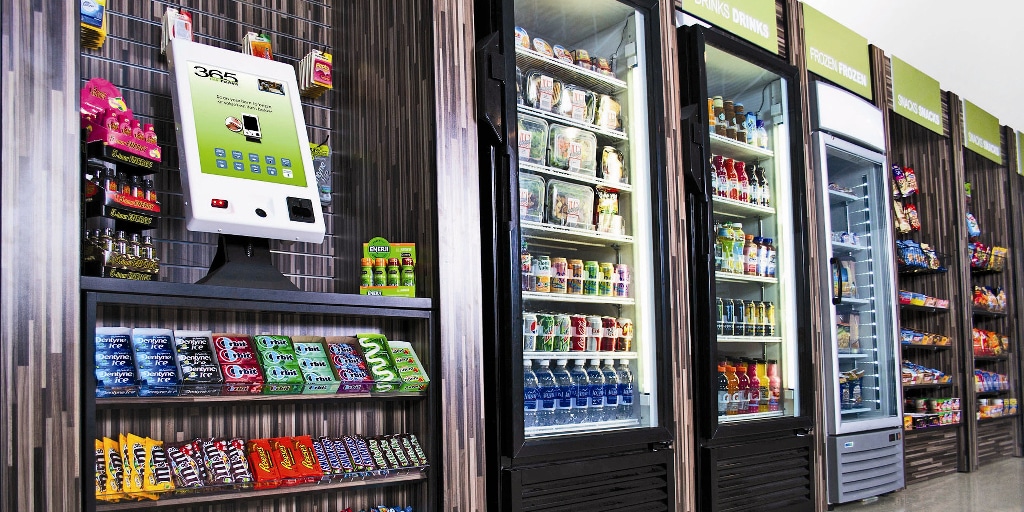
Micro market cost is not a single line item. Employers are really evaluating whether the workplace can support coolers, shelving, checkout technology, product inventory, service visits, and ongoing attention. The right market can be a strong employee convenience, but it should be sized to the location.
For Houston businesses, GoldStar starts with fit. A market that matches daily traffic and break habits can work well. A market placed in the wrong room, stocked with the wrong mix, or ignored after launch will feel expensive even if the initial setup looked attractive.
The Main Cost Drivers
A micro market service program depends on equipment, space, product volume, delivery access, and the service schedule. More coolers, more fresh food, and more frequent restocking can add complexity. So can buildings with tight access, long elevator runs, or restricted service windows.
Daily use is the most important driver. If employees buy consistently, the market can justify a broader selection. If use is light, the provider may recommend traditional vending or a smaller refreshment program instead.
Space Has A Value Too
A market takes more room than a vending machine. Employers should think about what the breakroom currently does and whether the market will improve it. If shelving blocks seating or coolers crowd the doorway, employees may avoid the area even if the products are good.
Good design protects the value of the space. The market should be easy to enter, browse, pay, and leave without interrupting lunch seating or shift changes.
Fresh Food Changes The Equation
Fresh food can make a market much more useful, especially for employees who stay on site for meals. It also requires more discipline. The provider has to watch dates, demand, and waste. A careful starting mix is better than a large fresh program that is not matched to the workforce.
Some locations may pair a smaller market with office coffee service or a drink-focused setup before adding more meal options.
Compare Cost To Lost Time
In Houston, leaving the building can mean traffic, parking, heat, and long lines. A market may save time by keeping lunch, drinks, and snacks close. For teams with short breaks or fixed coverage needs, that convenience can matter as much as the product selection.
GoldStar can compare options with vending machine service, answer fit questions through the GoldStar FAQ, and help employers request service when they want a realistic plan.
What GoldStar Checks On Site
A useful recommendation comes from looking at the actual room, not from guessing over the phone. GoldStar checks the break area, nearby outlets, doorway access, employee traffic, visitor use, shift timing, and any building rules that could affect service. That visit also gives managers a chance to talk through the real issue behind the request, whether it is what employers should expect to invest in attention, space, and fit or a broader need to keep people from leaving the property for simple food and drink purchases during normal workdays and busy shifts.
That local review matters in Houston because buildings operate differently across the city. A medical office near the loop, a warehouse on the east side, a dealership on a busy frontage road, and a professional office in a tower all have different access, parking, security, and break patterns. The right plan should respect those details before equipment is promised.
It also gives the provider a chance to notice small details that change daily use: whether employees can see the equipment from the main break area, whether delivery drivers can reach it after hours, and whether the room needs a quiet, compact setup or a fuller refreshment area.
How The Program Stays Useful
The launch is only the beginning. GoldStar should keep watching what employees buy, what sits too long, where service issues appear, and whether the setup still matches the workplace after hiring, seasonal changes, or schedule changes. Products that looked good during planning may need to be replaced. Popular items may need more room. Payment and service problems should be treated as part of the program, not as side issues for the office manager to chase.
That follow-through is what separates a working breakroom service from a one-time installation. The better the provider listens after launch, the more the program starts to feel like it belongs in that specific Houston workplace.
A Practical Next Step
The best breakroom decision starts with the building in front of you. GoldStar can compare micro market service, vending machine service, and related refreshment options, then use the GoldStar FAQ or a direct request service conversation to narrow the plan.