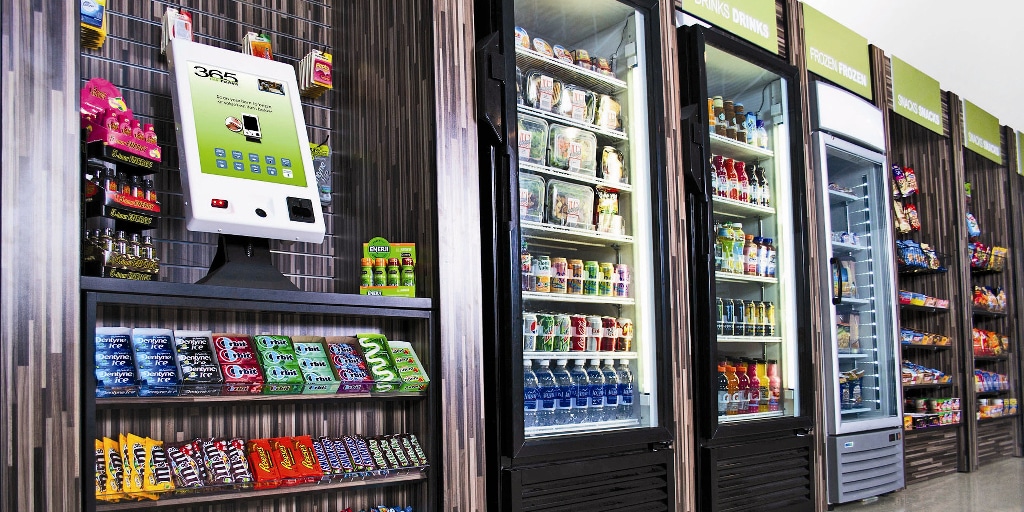
A micro-market can make a workplace breakroom feel completely different. Instead of a closed machine in the corner, employees get open shelves, coolers, fresh food, drinks, snacks, and a self-checkout experience that feels closer to a small convenience store inside the building.
That can be a strong upgrade for the right Houston workplace. It can also be too much for a space that does not have the traffic, layout, or daily need to support it.
Before adding a micro-market, office managers and facilities teams should look at the practical questions first. The best micro-market is not the biggest one. It is the one employees will actually use and the business can support without creating new headaches.
A Micro-Market Needs Real Daily Traffic
Micro-markets work best when enough people pass through the breakroom every day. The reason is simple: open markets offer more variety, and variety needs turnover. Fresh food, larger drink selections, and broader snack choices only make sense when products move at a healthy pace.
That does not mean every company needs hundreds of employees. It does mean the provider should understand the size of the team, the schedule, and whether employees are likely to buy on site.
A workplace with steady in-building staff may be a good fit. A small office where most people work remotely may not be. A warehouse with multiple shifts may be a better candidate than a showroom where staff are rarely in one place. The daily pattern matters more than a generic employee-count rule.
Look at Why Employees Leave the Building
The strongest reason to add a micro-market is not that it looks modern. It is that employees are already leaving for something the workplace could reasonably provide.
If people leave for lunch because the breakroom only has chips and soda, a market may help. If they leave for cold drinks because the vending machine is always empty, better vending service might solve the problem first. If they leave for coffee every morning, office coffee may be the smarter starting point.
This is where a quick observation can be more useful than a survey. What do employees bring back from stores? What gets delivered? What do people complain about running out of? What time of day does the breakroom feel underused?
Those answers point toward the right solution.
Space Matters More Than People Expect
A micro-market needs more than an empty wall. It needs enough room for coolers, shelves, checkout, traffic flow, and employees browsing without blocking each other. It also needs an area that feels appropriate for food and drink.
The market should be easy to see and easy to use, but not in the way of core operations. A tight hallway, cluttered storage area, or awkward corner may limit the experience. A clean breakroom, employee lounge, or shared area usually works better.
Power access matters too. Coolers, kiosks, and related equipment need the right setup. If the space is close but not ready, it may still be workable, but those details should be reviewed before expectations are set.
Security and Access Should Be Considered Early
Micro-markets are self-service. That is part of what makes them convenient, but it also means the workplace should think about access and accountability.
In many business settings, a market works well because the users are employees and the area is reasonably controlled. In locations with heavy public traffic, mixed visitor access, or limited oversight, a traditional vending machine may be a better fit.
This does not mean micro-markets are fragile. It means the format should match the environment. A provider can help evaluate whether the space, camera visibility, employee access, and checkout process make sense.
Product Mix Should Start Practical
It is tempting to imagine the perfect market with everything employees might want. In practice, a strong market usually starts with a thoughtful core mix and then adjusts.
Fresh food can be valuable, but only if people buy it. Healthy snacks can help, but familiar favorites still matter. Larger drinks may move well in Houston heat, especially for active workplaces. Breakfast items may matter more for early shifts than for a standard office.
The best product mix is not copied from another company. It is built around the team in front of you.
GoldStar can also discuss healthy options for workplaces that want better-for-you choices without removing the familiar products employees still expect.
Compare the Market Against Vending
For some workplaces, the choice is not micro-market or nothing. It is micro-market or improved vending.
Vending machines are compact, controlled, and often easier to place. They work well when the business needs drinks and snacks without dedicating a larger breakroom area. Micro-markets are better when employees need more variety, fresh food, and a more open shopping experience.
If the current problem is limited product variety, a market may be the answer. If the problem is an old machine, poor restocking, or limited payment options, modern vending may solve the issue with less space.
That comparison should happen before a decision is made.
What Setup Usually Involves
The setup process starts with a conversation about the workplace: number of employees, shifts, space, access, and what employees currently do for food and drinks. From there, the provider can recommend vending, a micro-market, coffee service, or a combination.
If a market makes sense, the next step is reviewing layout, equipment, product categories, payment, and service schedule. The business should know what will be installed, where it will go, and how restocking and support will work.
That process should feel practical, not mysterious. A good provider should be able to explain the recommendation clearly.
FAQ
How do I know if my business is ready for a micro-market?
Your business may be ready if employees are regularly on site, the breakroom has enough space, and people need more than basic snacks and drinks. A provider should review traffic, schedule, layout, and product needs before recommending a market.
Is a micro-market better than vending?
It depends on the workplace. Micro-markets offer more variety and a more open experience. Vending is more compact and controlled. Many businesses start with vending, while larger or busier workplaces may benefit from a micro-market.
Does a micro-market require employer staffing?
No. A micro-market is designed to be self-service, with the provider handling restocking and support. The employer should not have to manage daily product inventory.
Can a micro-market include coffee?
Coffee can be part of a broader breakroom plan, but it is often handled as a separate service. Many workplaces pair a market with office coffee so employees have food, drinks, and coffee in one convenient area.
Make the Decision Based on Fit
A micro-market should make the breakroom more useful, not just more impressive. The right setup depends on how employees work, when they take breaks, what they leave to buy, and whether the space can support the experience.
Contact GoldStar Vending to review whether a micro-market is the right fit for your Houston workplace.